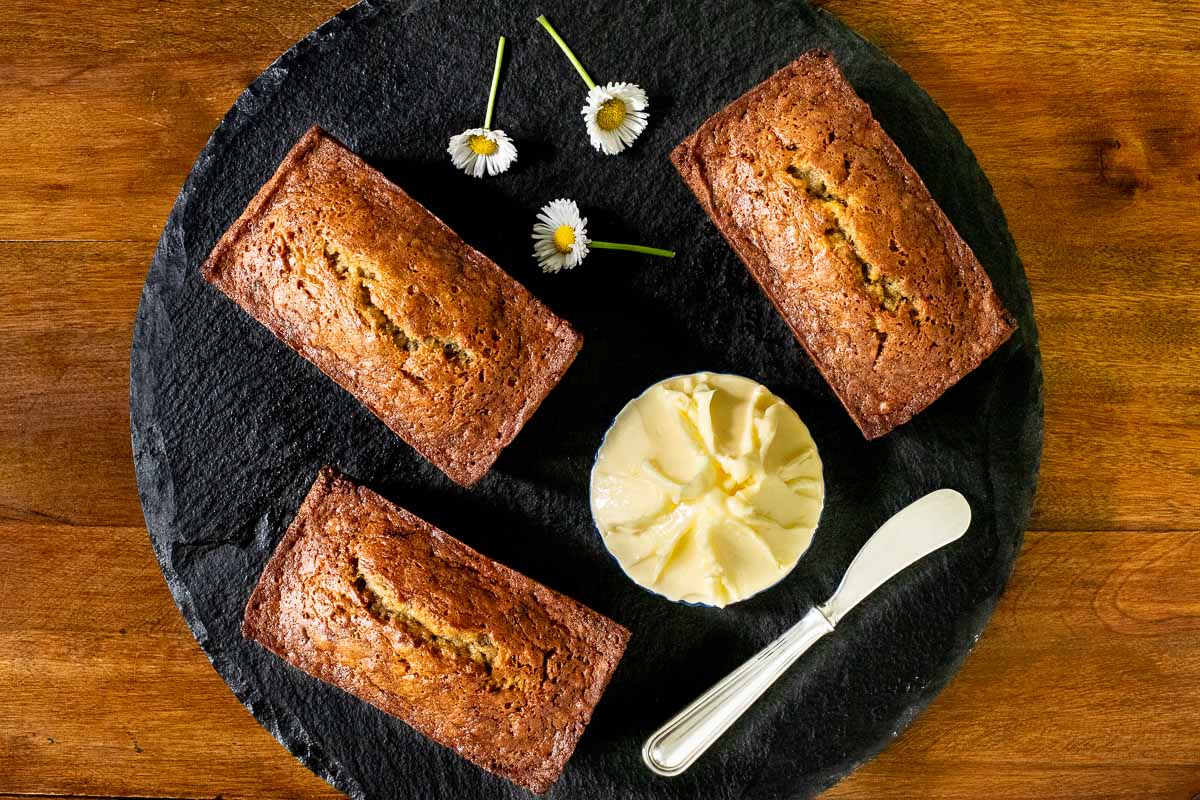
Secret to the Perfect Banana Bread: Why Ripe Bananas Reign Supreme
Few aromas evoke such a comforting sense of home and nostalgia quite like a freshly baked loaf of banana bread. This beloved quick bread, renowned for its moist texture, comforting sweetness, and incredibly easy preparation, has cemented its place in kitchens worldwide. But what truly elevates a good banana bread to the realm of the truly extraordinary? The answer, surprisingly simple yet profoundly impactful, lies in one often-overlooked ingredient: the humble, overripe banana. Achieving that coveted "banana bread the perfect loaf" experience isn't just about following a recipe; it's about understanding the science and art behind this essential fruit.The Unsung Hero: Why Overripe Bananas Are Non-Negotiable for the Perfect Loaf
When it comes to baking banana bread, the adage "the riper, the better" is not just a suggestion – it’s a golden rule. Those speckled, brown-spotted bananas that might look past their prime for a smoothie or a snack are, in fact, at their peak for transforming into a moist, flavorful loaf. Here’s why these seemingly humble fruits are the secret weapon behind an unforgettable banana bread:- Unleashed Sweetness: Nature's Sugar Boost
As bananas ripen, the starches within them convert into natural sugars. This chemical transformation is crucial, as it means significantly more sweetness is packed into each banana. Using overripe bananas not only intensifies the fruit's inherent sugary notes but also allows you to potentially reduce the amount of granulated sugar in your recipe, resulting in a naturally sweeter, more wholesome bread without being cloyingly sugary. - Moisture Magnet: The Key to a Tender Crumb
Ripe bananas contain more moisture than their firmer, greener counterparts. When mashed and incorporated into your batter, this additional liquid contributes directly to the bread's incredible moisture content. This is a critical factor in preventing a dry, crumbly loaf and instead ensures a tender, melt-in-your-mouth texture that defines truly superior banana bread. - Concentrated Flavor: Aromatic Depth
The ripening process doesn't just increase sweetness; it also deepens and concentrates the banana's distinctive flavor profile. The nuanced, almost caramel-like notes that develop in overripe bananas translate into a much richer, more pronounced banana essence in your bread. This isn't just about adding banana, it's about adding *intense* banana flavor that shines through every bite. - Effortless Integration: Smooth Texture, Perfect Bake
Overripe bananas are incredibly soft and mash with remarkable ease. This allows them to seamlessly integrate into your batter, creating a uniform mixture that bakes evenly. Firm bananas, on the other hand, can be lumpy and harder to incorporate, potentially leading to pockets of unmashed fruit and an uneven crumb. - Food Waste Fighter: A Sustainable Sweet Treat
Beyond their superior baking qualities, using overripe bananas is an excellent way to reduce food waste. Instead of discarding fruit that might otherwise go uneaten, you transform it into a delicious treat, making your baking both delightful and environmentally conscious.
Pro Tip: If you're craving banana bread but your bananas aren't quite ripe enough, you can speed up the process! Place them on a baking sheet in a 300°F (150°C) oven for 15-30 minutes until their skins turn black and shiny. Alternatively, store them in a paper bag for a day or two to concentrate the ethylene gas they release, which accelerates ripening.
Beyond Bananas: Assembling the Ideal Ingredients for Banana Bread
While ripe bananas are undoubtedly the star, the supporting cast of ingredients plays a crucial role in achieving banana bread perfection. Each component contributes to the overall texture, flavor, and structure of the loaf:- Flour: The Foundation
Most recipes call for all-purpose flour, which provides a good balance of structure and tenderness. However, for a healthier twist, you can experiment with a blend of all-purpose and whole wheat flour, or use gluten-free varieties for dietary needs. - Sweeteners: The Flavor Architects
Granulated sugar is standard, providing clean sweetness. Brown sugar, with its molasses content, adds a deeper, richer, and slightly more moist quality to the bread. Coconut sugar offers a lower glycemic alternative with its own subtle caramel notes. The choice can subtly shift the overall flavor profile of your loaf. - Leavening Agent: The Rise to the Occasion
Baking soda is the workhorse here, reacting with the acidic bananas (and potentially brown sugar) to create carbon dioxide bubbles. These bubbles are what give quick breads like banana bread their characteristic rise and soft, airy texture. - Fats: Moisture and Richness
Melted butter imparts a rich, luxurious flavor and tender crumb. Vegetable oil, on the other hand, often results in an even moister loaf that stays fresh longer, as oil doesn't solidify at room temperature like butter, keeping the crumb soft. Many bakers find a combination of both offers the best of both worlds. - Eggs: The Binder and Builder
Eggs are essential for binding the ingredients together, providing structure, and adding richness. They help to emulsify the batter and contribute to a tender crumb. - Vanilla Extract: The Flavor Enhancer
A splash of vanilla extract might seem minor, but it beautifully complements and enhances the banana flavor, adding depth and warmth to the overall profile. - Salt: The Unsung Balancer
A pinch of salt is vital for balancing the sweetness and intensifying all the other flavors in the bread. Don't skip it!
The beauty of banana bread lies in its versatility. Once you've mastered the basic structure, feel free to personalize your creation. Add chocolate chips for a decadent treat, walnuts or pecans for a delightful crunch, or a sprinkle of cinnamon or nutmeg for warm, spiced notes. For more ideas on how to customize your loaf, check out our guide on Easy & Versatile Banana Bread: Master This Quick Bread Classic.
Crafting Your Loaf: Tips for Banana Bread Perfection
- Don't Over-Mash: While ripe bananas mash easily, a few small lumps are perfectly acceptable and can even add pleasant bursts of banana flavor and texture.
- Avoid Overmixing: This is crucial for quick breads. Once you've combined your wet and dry ingredients, mix only until just combined. Overmixing develops the gluten in the flour, leading to a tough, dense bread rather than a tender one.
- Grease and Flour Your Pan: Ensure your loaf doesn't stick by thoroughly greasing and flouring your loaf pan, or line it with parchment paper with an overhang for easy removal.
- Bake Until Golden: Bake your bread until it's a deep golden brown and a wooden skewer or toothpick inserted into the center comes out clean or with only a few moist crumbs attached. If the top is browning too quickly, you can loosely tent it with foil.
- Cool Properly: Allow the bread to cool in the pan for 10-15 minutes before transferring it to a wire rack to cool completely. This prevents the bread from collapsing and allows it to finish cooking slightly, resulting in a better texture.
- Storage: Store cooled banana bread tightly wrapped in plastic wrap or in an airtight container at room temperature for up to 3-4 days, or in the refrigerator for up to a week. It also freezes beautifully for up to 3 months.
For those looking to venture beyond the classic, incorporating sourdough discard can introduce a subtle tang and even more depth of flavor, as explored in Baker’s Sourdough Banana Bread: Tangy Twist to a Classic Loaf.
